
Healing Ourselves & Others: Grounding with Aire Roots
AIRERoots (based in Washington state) is volunteer ran, with an incredible group of BIPOC adoptees, offers affinity groups, community events, and support (capacity building) for adoptee-led programs and ideas. They are especially committed to uplifting communities whose voices have been historically marginalized within the adoptee community — including LGBTQIA+ adoptees, non-Korean adoptees, and others seeking connection and belonging. They are fiscally sponsored by Asian Counseling and Referral Service (ACRS) a social justice organization that promotes the health and well being of A & NH/PIs.
We are excited to feature AireRoots this month and offer our readers some grounding exercises for the holiday season.
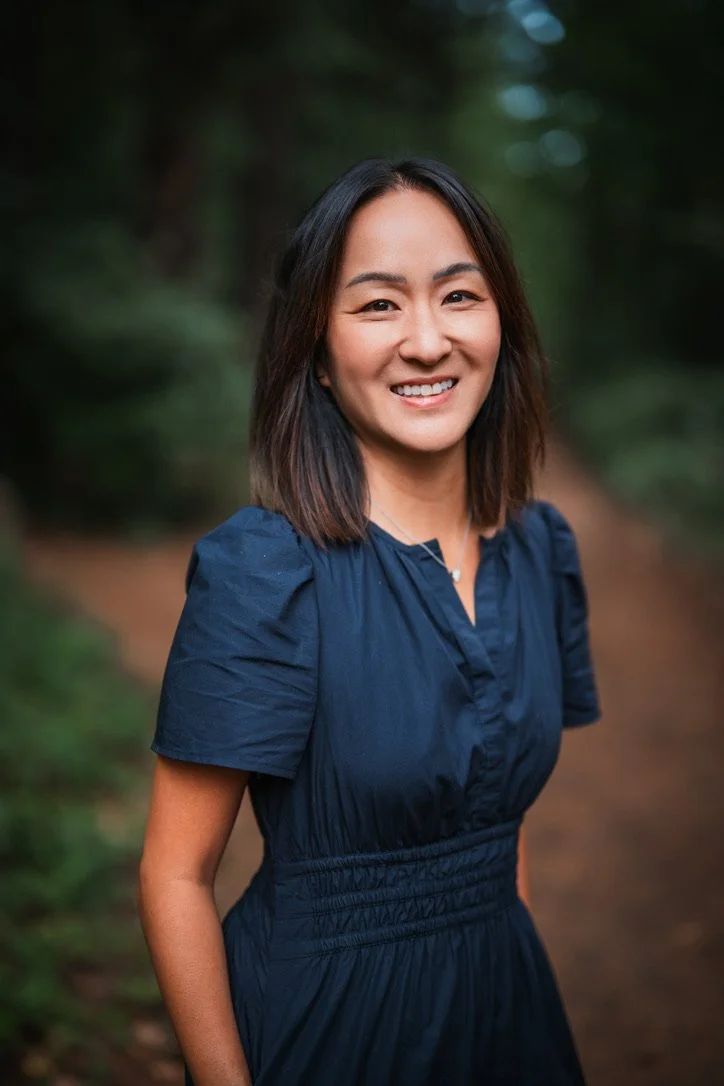
Beth Yu Simpson, founder of AIRE Roots
Introduce yourself to the Ties community! What is your name and what country are you adopted from? Do you have any hobbies or interests that you wish to share?
HI! My name is Beth Yu Simpson, she/her pronouns. (Korean name: Yu Soo Jin). I was adopted from the Korean Peninsula in 1978. I share my home with two free-roaming bunnies, Peanut and Lupita and am married to another Korean adoptee. I love spending time with friends and family, baking, and camping. Some of my favorite moments are sitting around a bonfire under the stars—there’s something so healing about it. Its a way of cleansing and reconnecting with myself and the world around me.
What drew you toward the core of your practice - “holistic journey of emotional and spiritual healing”?
What drew me toward the core of my practice — a holistic journey of emotional and spiritual healing — is my own lived experience.
I’ve always felt called to work with people, and I believe we can best walk alongside others when we’ve traveled similar paths ourselves. My continued journey of deep healing has shown me that true healing is both emotional and spiritual — it is holistic, meaning we embrace all parts of ourselves, leaving nothing behind or ignored.

Peanut and Lupita
Because I have been blessed and privileged to receive and continue receiving healing in my own life, I feel guided and passionate to share that with others. This understanding guides how I show up as a therapist — integrating the spiritual and emotional, knowing that we cannot separate one from the other. I can’t imagine doing this work without honoring that connection.
How do you explore and help adoptees heal from the impact of intergenerational, interpersonal and communal trauma?
First, I believe that when we heal ourselves, we are also healing our communities and our lineages — both descendants and ancestors. It is all connected. When we tend to one layer of healing, we are also tending to the others. Each person’s journey is unique and guided by their own lived experience and their entry point into the work we do together.
Some of this healing happens through AIRERoots, the community organizing and mobilizing arm of AIRE. Healing from trauma isn’t only an individual process — it can also happen through connecting with community, finding one’s voice, building relationships, and advocating for change. There are so many incredible adoptee community orgs out there - like Ties, Adoption Mosaic, AMS, and BIPOC Adoptees. I also think part of healing is also when we we are organizations begin to collaborate and work together- vs. being siloed and isolated - this moves us away from scarcity mindset towards liberation and expansiveness. I think knowing we are not alone is itself a powerful part of healing. One of my teachers taught me that interpersonal trauma can best be healed through relationships — and that lesson has deeply shaped my work.
“When we tend to one layer of healing, we are also tending to the others.”
I also integrate ancestral healing, connecting with our well ancestors and learning from cultural and Indigenous practices. I believe this healing is accessible to all adoptees, even when we may not have access to our first families. These connections remind us that we belong, that our roots and our stories continue to live within us- regardless of if we have made contact.
In my individual work, I focus on somatic connection — helping people come back into their bodies. Trauma often disconnects us from ourselves, from trust in our own sensations and intuition. So much of healing begins with learning to listen to and trust our bodies again. I work with triggers as opportunities to understand how trauma shows up today, observing without judgment and moving at each person’s own pace, toward alignment with what serves them now. We honor the coping strategies that once kept us alive, showing gratitude even as we learn new ways of being, giving lots of love and compassion to our younger selves.
This work is always client-led and trauma-informed. I believe our bodies bring forward what they are ready to heal. The therapeutic relationship is the container that holds this process — a space built on trust, safety, and collaboration. So this means I spend a lot of time connecting and building trust with the person I am working with. I also use EMDR, a modality that allows us to process trauma that may be pre-verbal or held in the body.
Ultimately, healing for adoptees — and for all of us — is a layered process of reconnection: to ourselves, our bodies, our ancestors, our communities, and to the systems we hope to transform.
How did your adoption journey help you shape your wellness journey (if applicable)?
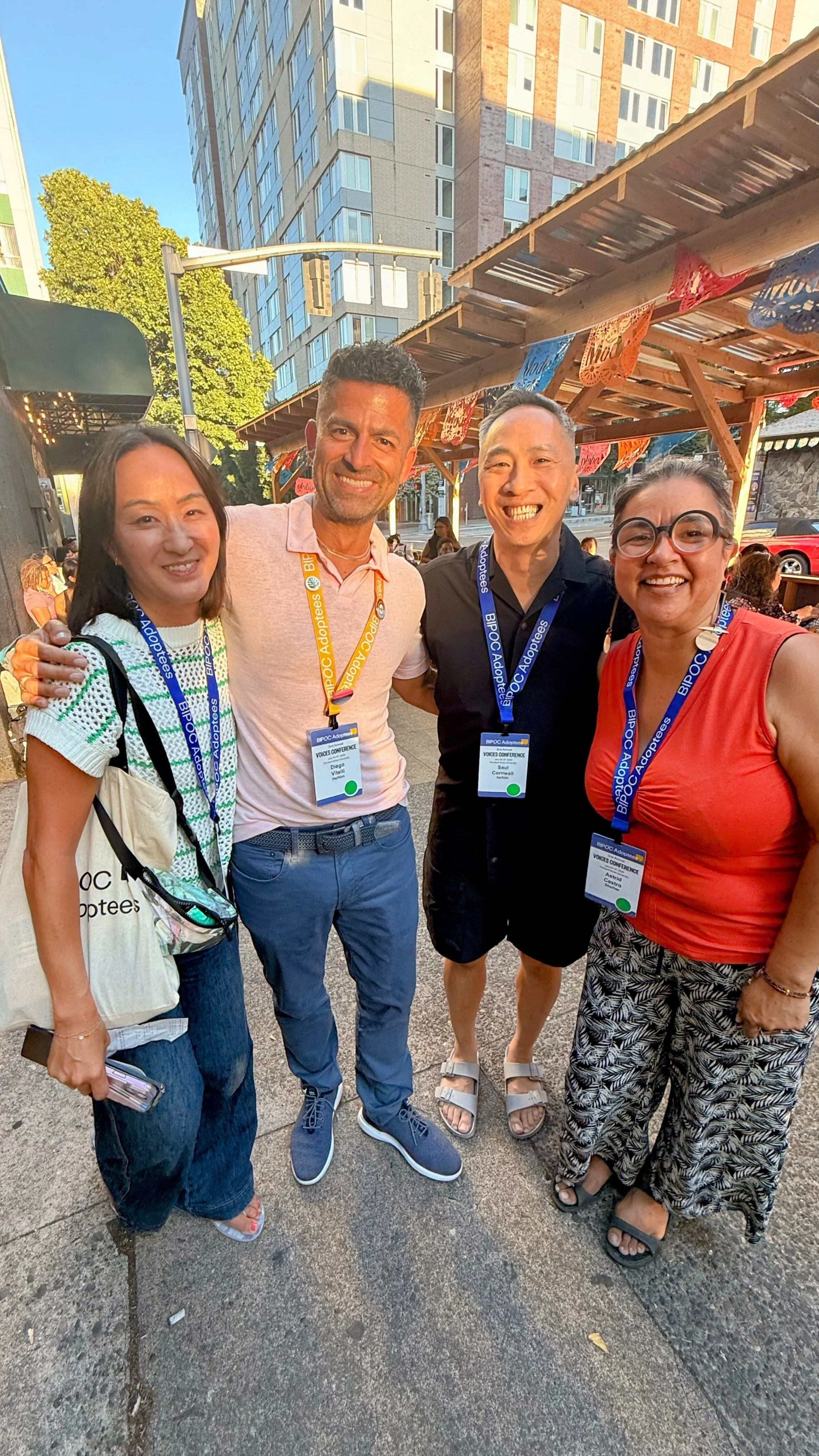
Beth with two other AIRERoots chairs and Adoption Mosaic Founder and executive director, Astrid Castro.
This question made me pause, as I’ve come to understand that my adoption journey and my wellness journey are inseparable. Healing for me has meant weaving together the many layers of my identity — emotional, cultural, spiritual, and ancestral — into a more grounded and whole sense of self. Over time, my journey has led me to focus more deeply on my spiritual and mental health. I try to push myself to do the same hard inner work that I ask of the people I walk alongside, because I believe that doing my own work allows me to walk with others more authentically.
So much of my healing — and my trauma — has been connected to my adoption and my adoptive family. Through this journey, I have learned and received so much: community, connection, and support. As an adoptee, I once felt so ungrounded, uncertain of who I was, and unsure where I belonged. That disconnection has made grounding and wholeness even more sacred to me now. Because I know deeply what it feels like to not have that sense of belonging, I work hard to nurture it — in myself and in others.
I have been so fortunate to find connection and meaning through adoptee communities — volunteering with adoptee camps, being part of organizations like AAAW, living in Korea, and my time with Ancestral Korea. These experiences have shown me the power of community, of having peers who understand, and of shared healing. Working to create adoptee mentorship programs has also deepened my understanding of how transformative mentoring, collaboration, and interconnection within the adoptee triad can be.
During my most recent time in Korea, I had the opportunity to learn about our Indigenous practices and beliefs, which has been profoundly healing for me as an adoptee. Reconnecting with these ancestral ways of knowing has helped me understand belonging, spirituality, and healing in new ways. Ancestral Korea is offering workshops to explore these topics, and is adoptee friendly and conscious. My hope is to bring this same spirit of learning and healing to other communities — not just Korean — as we all find ways to reconnect with our roots and each other.
I am only here today because I’ve been mentored and taught by many generous, wise, social justice committed and loving people along path, and I see part of my calling as sharing those gifts forward — integrating what I’ve learned into my own healing and offering it back to the adoptee community. My wellness journey is ongoing, rooted in spiritual practice, community care, and a commitment to staying grounded — for myself, and for the collective healing we are all part of.
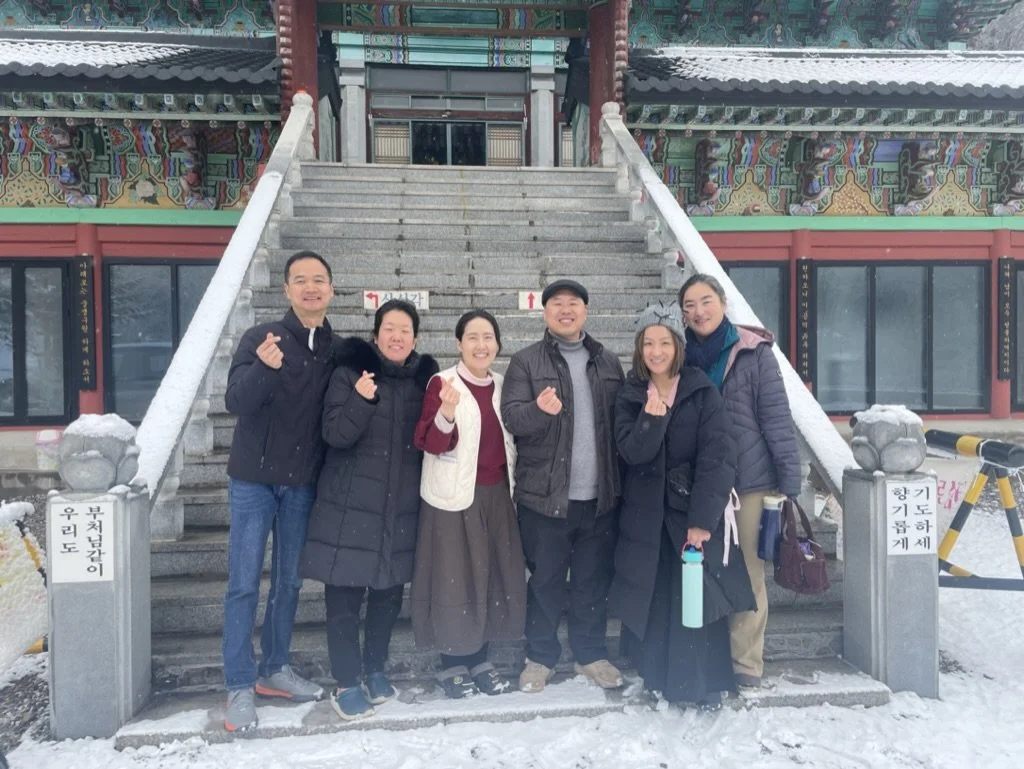
This is the group at the temple, I visited and learned with in March 2025 for over 10 days.
What should an adoptee look for in a practitioner when they are starting their journey of healing from trauma?
I would encourage you to go with someone you feel comfortable with. As adoptees, many of us have learned to people-please or prioritize others’ comfort, so it can feel hard to say when something isn’t a good fit or to end a therapeutic relationship. But this is your time, your money, and your heart — and you deserve to feel safe and supported.
It’s important to find a practitioner who is trauma-informed and who understands the lifelong impact of adoption — recognizing it as a form of trauma that can affect our nervous systems, attachment, and brain development. If you work with an adoptee therapist, it’s also essential that they hold space for the wide range of adoptee experiences and perspectives on adoption, without judgment or assumptions.
Ultimately, healing begins with feeling seen, heard, and respected for your full story — and trusting that your therapist can walk alongside you with openness, humility, and care.
Is there a simple exercise you’d like to share that adoptees can use to help regulate and/or process trauma?
“Grounding through breath and movement helps remind us: our bodies are not just sites of trauma — they are also sources of wisdom, safety, and healing.”
When we’re triggered, all of our energy goes into surviving. Our bodies go into protection mode, and the thinking part of our brain — the part that helps us reason, plan, or make sense of things — temporarily goes offline. We can’t “think” our way out of a trauma response.
One of the most powerful tools we have is our breath. Breathing is one of the only functions in our body that happens automatically and that we can consciously control — making it a direct pathway back to regulation.
I often use a simple breathing practice called 4–4–6 breathing:
Inhale for 4 counts
Hold for 4 counts
Exhale for 6 counts
This pattern helps reset our nervous system because it’s the opposite of what happens when we hyperventilate (short exhales, long inhales). It’s like a gentle body hack that signals safety to the brain and helps bring us back into our bodies.
And if you find yourself ruminating or looping in thoughts you can’t turn off, try doing something physical — even a few jumping jacks if you’re able. Movement interrupts the pattern, like nudging a sled off a well-worn track in the snow, and gives your brain a chance to reset.
Grounding through breath and movement helps remind us: our bodies are not just sites of trauma — they are also sources of wisdom, safety, and healing.
If you’re an adoptee or part of an adoptee group interested in starting a program or exploring an idea, we’d love to connect and collaborate with you.
Through AIRE (Adoption Identity Race Exploration), Beth offers therapy for individuals in Washington State, with a focus on adoptees and those navigating complex trauma and identity. She is also happy to provide consultations and referrals to other adoptee therapists in Washington, as part of a growing network of adoptee clinicians.
In addition, Beth also provides consulting for adoptee organizations, with a special interest and expertise in developing mentorship programs and community-based healing initiatives. Please connect with her on instagram, AIREROots.com or AIREconsulting22@gmail.com.