
Intercountry Adoptee Rights and Safety Guide: What to Know in 2026
The blog is a living resource. As policies shift, times change, and new information emerges, we are committed to updating this space with timely guidance and additional resources to support the adoptee community.
As of July 29, 2026, Adoptee Rights Law has suggested that intercountry adoptees avoid domestic travel in the United States unless absolutely necessary. If you must travel, please carry your passport with you. Please refer to their notice on their website here.
The current political climate has surfaced a question many of us never expected to ask:
“Am I truly safe here?”
For intercountry adoptees, moments like this—when immigration enforcement is highly visible and emotionally charged—can stir deep uncertainty around safety, belonging, and identity. This isn’t just a political issue; it’s a profoundly personal reckoning with our status as immigrants. Even adoptees who are U.S. citizens may feel impacted, as adoption exists at the intersection of family, borders, and systems that have not always protected us well.
First and foremost: you are not alone. Whatever you’re feeling - anxiety, anger, numbness, confusion - is valid.
Whether you’re preparing for a return trip to your birth country or simply navigating daily life, increased attention on ICE (Immigration and Customs Enforcement) can trigger a real sense of insecurity. At Ties, we are holding space for that anxiety—while also helping turn fear into preparation. Below is what we encourage adoptees to focus on right now.
Know Your Status and Your Documents
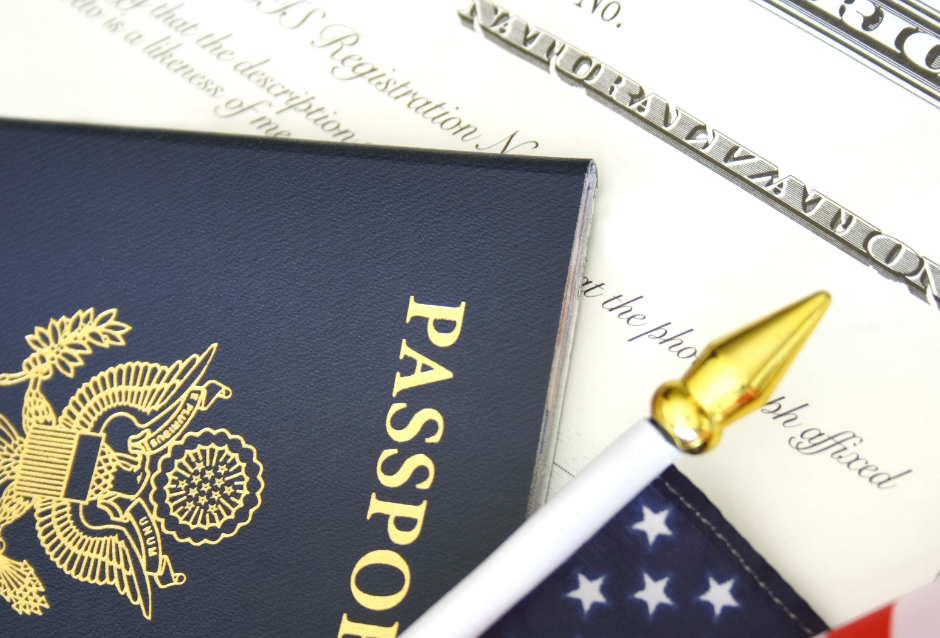
Regardless of how confident you feel about your citizenship or legal status, the most important step is eliminating gray areas in your documentation. Many adoptees assume they have citizenship because they were adopted by U.S. citizens, but paperwork gaps, especially from decades ago, can create risk.
We strongly recommend that adoptees:
Confirm their citizenship status, especially if adopted before 2001
Audit and locate key documents, including passports, Certificates of Citizenship/Naturalization*, and naturalization paperwork
Keep both digital and physical copies stored securely
The “Travel Pack”
If you are traveling—or living in a high-enforcement area—we recommend keeping a digital and physical folder of essential documents. Ties has compiled checklists and can connect adoptees with immigration attorneys who specialize in citizenship-for-adoptee cases.
If you are unsure about your status, connecting with an immigration attorney experienced in adoptee cases can bring clarity and peace of mind. Two widely respected, adoptee-centered resources include:
Adoptee United – A national organization advocating for citizenship, legal protections, and rights for intercountry adoptees
Adoptee Rights Law Center, founded by Gregory Luce – A law firm focused specifically on adoptee citizenship, documentation, and legal status
The Citizenship Clinic: Adoptees United’s Citizenship Clinic assists intercountry adopted people with US citizenship or immigration issues. The clinic’s services include legal screenings, consultation and advice about legal options, and legal representation to secure a Certificate of Citizenship or, if needed, a Certificate of Naturalization.
We also encourage you to read our blog, “Is Your Citizenship Status Correct?”, which outlines what every adoptee should be doing to ensure their documentation is accurate and complete.
Stay Informed and Stay Connected
Staying aware of what’s happening matters, but so does protecting your mental health. Being informed should empower you, not paralyze you.
We encourage adoptees to:
Choose trusted, reliable sources of information
Limit doom-scrolling and constant exposure to distressing news
Step away when information becomes overwhelming or triggering
Do not post or write/document your immigration status on public spaces, forums or social media if you have questions or unknowns about the status of your citizenship.
At the same time, lean into community. Adoptee spaces, whether online or in person, can be deeply grounding during uncertain times. Shared experiences remind us that we don’t have to carry this alone.
It’s okay to reach out to:
Fellow adoptees
Therapists familiar with adoption and identity
Community-based organizations and support networks
Seeking connection and support is not a weakness—it’s a resource.
What to Know as an Adoptee (Without Panic)
It’s understandable that the visibility of ICE and immigration enforcement can feel especially unsettling for adoptees, whose identities and legal histories may already feel layered or complex. Regardless of citizenship status, the U.S. Constitution grants certain rights to everyone on U.S. soil.
-
You do not have to answer questions about:
Your immigration status
Where you were born
How you entered the country
If asked questions, you can respectfully say:
“I am exercising my right to remain silent.”
-
You do not have to consent to a search of your person or belongings without a judicial warrant (a warrant signed by a judge). This includes:
Search your home
Search your belongings
Search your phone
If there is no warrant, you do NOT have to open your door, you can say:
“I do not consent to this search.” AND/OR “Please slip the warrant under the door.”
-
This applies to all encounters with law enforcement or ICE.
Do not sign documents without a lawyer present.
You can say:
“I want to speak to a lawyer before answering any questions.”
If you do not already have an attorney, it’s important to know where to find reliable legal support. The Immigration Advocates Network Legal Directory is a national, nonprofit search tool that can help you locate free or low-cost immigration legal services in your area. You can filter by location, language, legal issue, and fee type to find attorneys or organizations equipped to assist with citizenship, documentation, or other immigration-related concerns.
Know Your Rights Red Card
If you are concerned about potential interactions with law enforcement or ICE, the ILRC’s Red Card is a practical tool you can carry with you. A Red Card is a one-page, pocket-sized summary of your rights and key phrases to use during encounters with police, ICE, or other authorities. It’s available in multiple languages and can help you remember what to say and what to politely refuse if needed.
Learn more and download a Red Card here: ILRC Red Cards
Additional Resources:
Through Peace: Immigrant Rights Resources offers free, multilingual “Know Your Rights” booklets and clear guidance for immigrants navigating enforcement encounters. These resources are designed to be accessible, easy to understand, and empowering, giving you the information you need to act confidently and safely.
Immigrant Legal Resource Center (ILRC) – Know Your Rights page. ILRC is a trusted, nationally recognized legal organization, and their materials offer clear, plain-language explanations of individual rights during encounters with law enforcement or ICE. Their resources are widely used by legal advocates and community organizations and are designed to be practical, accurate, and accessible.
Know Your Rights For Immigrants App, provided by NAKASEC Empower yourself to know your rights with the Know Your Rights Immigrant App. Use this App to prepare, learn and respond if you are at risk of being detained.
Apple: https://apps.apple.com/us/app/know-your-rights-4-immigrants/id6740367633
Google Play: https://play.google.com/store/apps/details?id=com.nakasec.chunk

File: A U.S. Immigration and Customs Enforcement officer listens during a briefing, Monday, Jan. 27, 2025, in Silver Spring, Md. (AP Photo/Alex Brandon, File)
What to Do If You Are Approached by/Encounter ICE or Law Enforcement
In Public
Take a breath and remain calm
You do not need to argue, explain yourself, or volunteer information
Do not lie or present false documents
You may calmly ask:
“Am I free to go?”
If the answer is yes, you may leave calmly and without further conversation
If the answer is no, you may remain silent
If you are asked questions:
You do not have to answer questions about your birthplace, immigration status, or travel history
You may say:
“I am exercising my right to remain silent.”
If they ask for documents:
You can show identification if you choose. If you are a U.S. citizen, you may state that calmly—but you are not required to engage further.
You do not have to volunteer additional information
If they try to question you further, you may repeat:
“I wish to remain silent and speak to a lawyer.”
In Your Home
Stay calm and do not open the door
Ask to see a signed judicial warrant.
You may say:
“Please slip the warrant under the door”
or
“Please hold the warrant up to a window.”
If they do not have a signed judicial warrant:
You may refuse entry
You are not required to open the door
If they do have a valid warrant:
Do not physically block entry
Remain calm and avoid confrontation
If you are able to do so safely, try to document:
The time and date
Names or badge numbers (if visible)
The agency involved
What to Do If You Witness ICE or Enforcement Activity
Being a “connector” means looking out for our broader community.
Observe from a safe distance
If you choose to document:
Film from a safe distance
Do not touch or block anything
Record:
Date & time
Location
Agency name
Badge numbers if visible
Vehicle license plates
Your First Amendment right protects your ability to observe and record in public so long as you do not interfere with law enforcement activity.
If you feel comfortable and it is safe to do so, you may also share general, non-identifying information about enforcement activity through tools like ICE Map (icemap.dev). This independently developed, community-sourced map helps track reported ICE activity across the U.S. and can be useful for understanding broader enforcement patterns. It is not an official government tool and should be used for awareness—not real-time intervention.
Once officers leave:
Check if anyone needs support
Offer trusted legal contacts or local rapid response networks
Share documentation with legal advocates if appropriate
If someone is detained or taken into custody, you can use the ICE Online Detainee Locator System (ODLS) to check on their location and connect them with legal resources.
If You Encounter ICE or Law Enforcement While Traveling or Returning from Abroad
Many adoptees are U.S. citizens, but some may have documentation gaps — especially if adopted before 2001.
Before You Travel
Confirm your citizenship status
Check that your passport and Certificate of Citizenship/Naturalization are current
Keep physical and digital copies of:
Passport
Certificate of Citizenship
Adoption decree
Naturalization records
Any immigration paperwork
You can contact immigration lawyers experienced with adoptee status — such as those at the Adoptee Rights Law Center or organizations like Adoptee United — for a pre-travel documentation review.
For Adoptees: A Gentle Reminder
Many adoptees carry layered trauma related to displacement, authority, and belonging. Encounters—or even the thought of encounters—with enforcement systems can activate those wounds.
Please remember:
Feeling triggered does not mean you are weak
Preparing does not mean you expect the worst
Seeking clarity is an act of self-care
Grounding practices that help many adoptees:
Prepare your documentation ahead of time
Talk with trusted friends, mentors, or a therapist
Join adoptee community groups for support
Limit exposure to stressful news and social media
Find activities that help ground you, whether exercise, crafting, journaling, reading, yoga, meditation
You deserve to feel safe, informed, and supported—wherever you are in your adoptee journey. Preparation is not expecting the worst — it is building confidence and agency.
Moving Forward, Together - You Are Not Alone
This moment calls for grounded awareness, not fear. Preparation without panic. Community without overwhelm.
If you’re unsure where to begin, start small:
Check your citizenship status
Locate and copy your key documents
Save trusted legal contacts
Practice how you would respond in a calm, privacy-preserving way
Build a support network of people you trust
Your safety matters. Your identity matters. Your peace of mind matters.
This is a moment to be prepared, grounded, and connected, not to live in fear. If you ever feel unsure about your rights, documentation, or legal status, reach out to trusted adoptee legal advocates and communities.
You belong here.
* Certificate of Citizenship - Child Citizenship Act of 2000, effect Feb. 27, 2001, granted automatic citizenship to most foreign born children adopted by US citizens if they were under 18, or born after Feb. 28, 1983. These adoptees were and are eligible for the Certificate of Citizenship. Adoptees born before 1983 or who didn’t automatically receive citizenship must have acquired citizenship through the naturalization process, and would then receive the Certificate of Naturalization. If adoptees were born before 1983, and their parents never applied for citizenship, it’s possible they never received citizenship, as the Act is not retroactive for adoptees born before Feb. 28, 1983.
