
Goodbye 2025, Hello 2026
by Dr. Tanya Kaanta, Director of the Ties Program
These year-end reflections are usually about celebration, about growth, transformation, and the reasons we do this work. And yes, there was all of that in 2025. But if I’m being honest, this year was exhausting, and I’m not sad to see it go.
Still, I’m a romantic at heart. And like the stories I love, this one has a hopeful ending, not because the year was easy, but because of the resilience I witnessed across the adoption community. Adoptees, first and birth families, and loved ones showed up with courage, even when the weight felt unbearable. We’re still here. Still questioning. Still healing. That matters.
The exhaustion of 2025 became the groundwork for action. And 2026? That’s where we shift from reaction to resolution.
Let’s recap, shall we?
The Political Climate and the Cost of Fear
The new administration's policies on international travel and immigration have significantly impacted the perceived safety of immigrants, a category that includes adoptees. For many, these policy shifts created a deep sense of uncertainty and vulnerability, particularly for those whose identities and legal statuses have long existed in complex systems. These new policies immediately caused a noticeable drop in interest for Ties’ travel programs, as families expressed paralyzing fear regarding re-entry, detainment, and necessary documentation.
“Ties continues to prioritize safety, transparency, and trust, ensuring that adoptees and their loved ones are supported not only in travel but in navigating the broader realities that shape adoptee lives.”
While Ties has had no incidents of US entry issues following a trip, it cannot offer guarantees, leading many families to postpone their 2025/2026 travels. In response, Ties has pivoted to become a critical resource by compiling essential information, connecting families with immigration lawyers specializing in citizenship-for-adoptee cases, and hosting and/or sharing adoptee-led conversations on rights and documentation. Our team is committed to holding space for this anxiety, turning fear into informed action, and reinforcing its dedication to serving the community through the complex process of heritage travel. Through this work, Ties continues to prioritize safety, transparency, and trust, ensuring that adoptees and their loved ones are supported not only in travel but in navigating the broader realities that shape adoptee lives.
The Uncomfortable Truth: Adoption's Reckoning
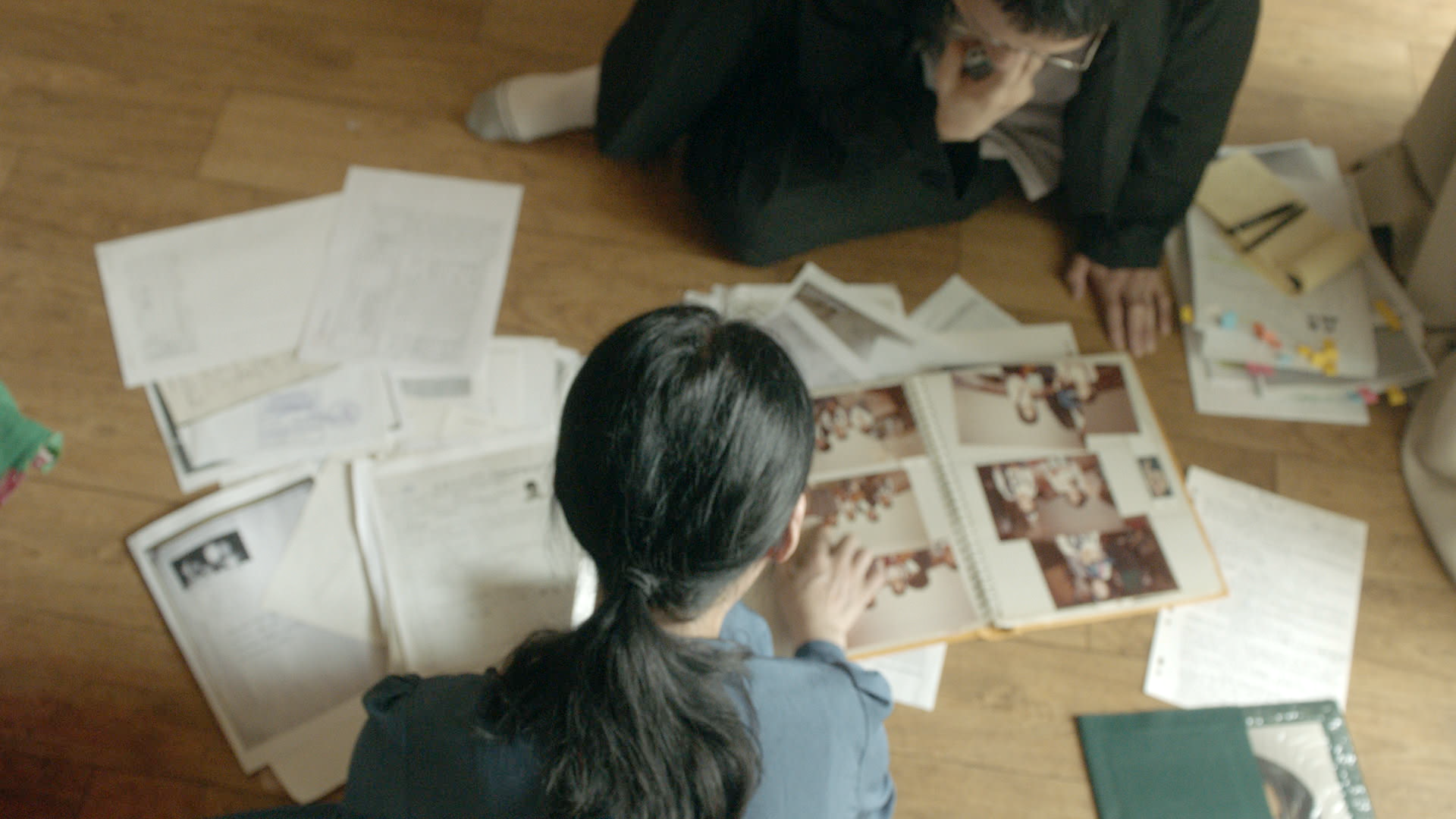
The year 2025 was indelibly marked by a community-wide conversation of Truth and Reconciliation. Intercountry adoption is not all rainbows and unicorns. The Frontline documentary South Korea’s Adoption Reckoning came out in September of 2024, and organizations and governments across the globe have taken 2025 to respond to its allegations of fraud and abuse in South Korea’s foreign adoption policies, Ties included.
The documentary, a collaboration between the Associated Press and Frontline, examined allegations of corruption throughout South Korea’s 70+ years of intercountry adoption policies and the resulting economy. The documentary was a catalyst, bringing academic and advocacy truths to a mainstream audience. What academics and advocates have known for over 25 years, that corruption emerges when social structures fail to protect the vulnerable and profit enters the picture, was finally brought into public view. While not all adoptions were corrupt, corruption did exist in all countries. We also know trauma occurs when children are separated from their first/birth families, regardless of how loving the adoptive family is. Add to this the reality that many parents were ill-equipped to support the trauma adoptees carried, and that some experiences included abuse. The reality of intercountry adoption and the sheer weight of this reckoning cannot be overstated. It is a necessary, painful process that demands honesty from every facet of the adoption constellation because adoptees continue to carry the burden of this trauma, especially the burden of often navigating personal journeys of identity exploration and healing on their own.
In response, Ties helped create intentional space for the community to process this moment. In collaboration with Adoption Mosaic, I am Adoptee, and KAAN (Korean American Adoptee Network), by hosting webinar sessions to help the community have a place to process, respond, and connect. There were three sessions: Fishbowl, Adoptees Only, and Loved Ones. Each session was created to allow space for the adoptees to process, connect, and reflect. The first session was with the reporters from the Associated Press, where the community was allowed to ask questions, engage with the facts presented and understand the journalist's intent. The second session was for adoptees only - a sanctuary where adoptees could express raw, unfiltered pain, frustration, and anger - a space for validation, and acknowledgement of trauma and loss in intercountry adoption. The third session was for adoptees and loved ones - adoptees in their own session and loved ones in another - which allowed for mediated, expertly guided environments for all members of the adoption constellation.
These spaces for reflection are a cornerstone of our mission, offering time to celebrate our origins and mourn the cultural loss inherent in intercountry adoption. They are safe spaces for adoptees to share emotions without having to manage the feelings of non-adoptees, and for loved ones to connect with each other.
New Programs for Ties
In 2025, we traveled together to India, China, Guatemala, Korea, Kazakhstan, and Colombia. We had our first-ever adult program for Korean adoptees in their 50s, as well as a program for adult Chinese adoptees aged 21+. Last but not least, we had our inaugural program in Ethiopia. Each program reflected our continued commitment to meeting adoptees where they are and honoring their stories.
To truly serve our community, we continue to evolve our program with intention, focusing on depth, specialized support, and adoptee-centered care. Three programs, in particular, stand out for their profound impact and forward-looking vision:
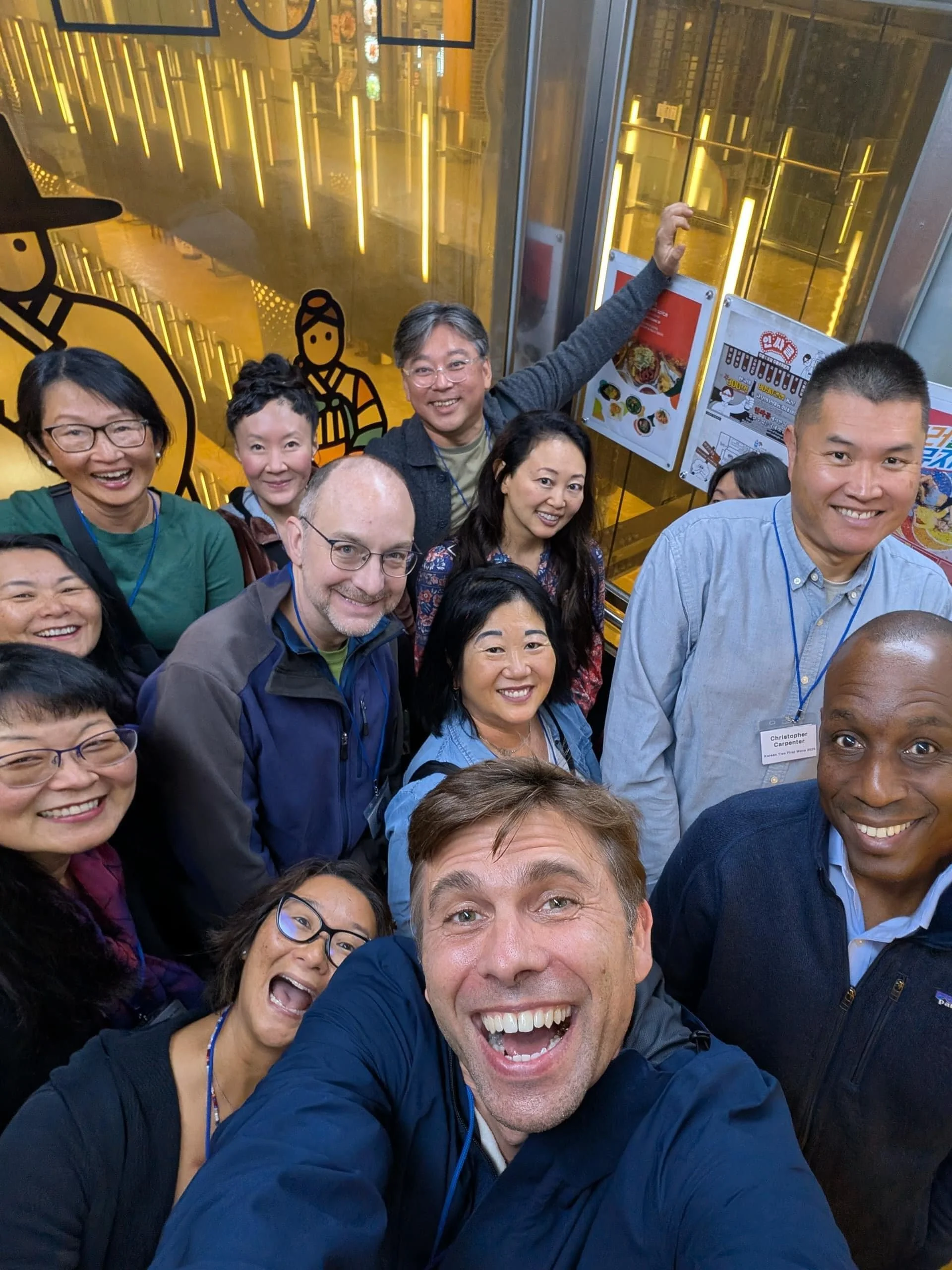
Korean Ties First Wave: This program is specifically designed for our First Wave of adoptees from Korea aged 50 and older, a cohort that faced unique challenges as the pioneers of intercountry adoption. Their parents were often taught assimilation, and narratives about their birth country were frequently narrow and ignorant. Therefore, providing this opportunity to return to Korea and instill a sense of cultural pride is not only imperative but also personally meaningful to me, as I am one of those adoptees. The inaugural program included 11 participants and 3 staff—2 Korean adoptees and 1 spouse of a first waver—and marked our first experience with file reviews through the NCRC (following the transfer of all files from adoption agencies to the National Center for the Rights of Children).
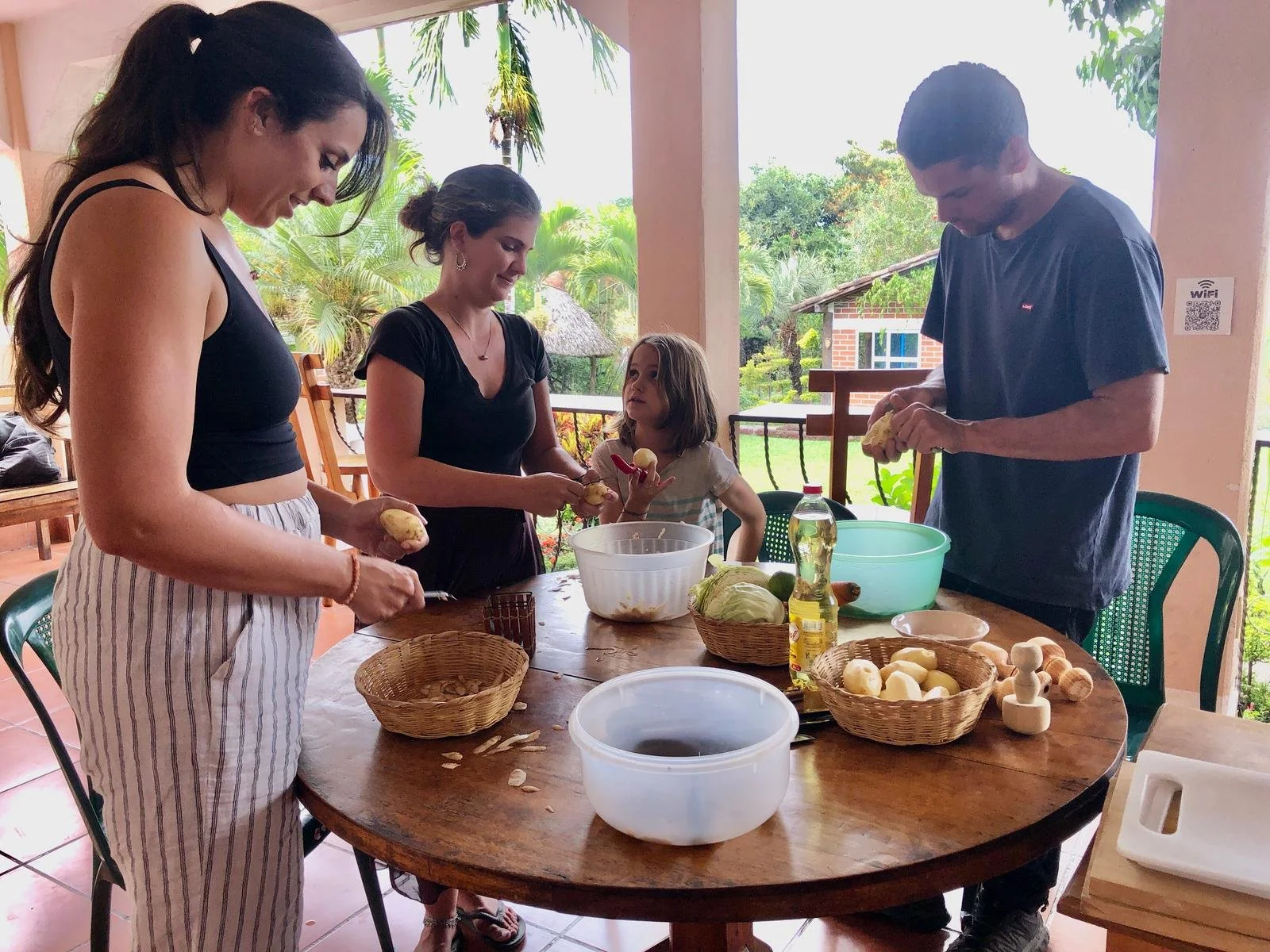
Language at the Lake: A new program designed for any adoptee and their loved ones interested in learning Spanish in Guatemala. Open to all adoptees from any country - including domestic adoptees - you’ll spend time on Lake Antigua, immersing yourselves in the language, and enjoying the beauty and authentic tastes of Guatemala.
China 21+: Our inaugural China Ties 21+ trip marked a deeply meaningful milestone for Ties and the adult Chinese adoptee community. This program welcomed both solo adoptees and those traveling alongside loved ones, honoring the many ways adults choose to return to their country of birth. For many participants, this was the first time returning to China on their own terms and within a space designed specifically for adult adoptees. The trip honored the reality that identity exploration does not have an expiration date, and that readiness may often come later in life. This program mattered because it centered adoptee autonomy, made room for complexity without pressure or expectation, and recognized that return can be about witnessing, feeling, and understanding just as much as it is about searching for answers.
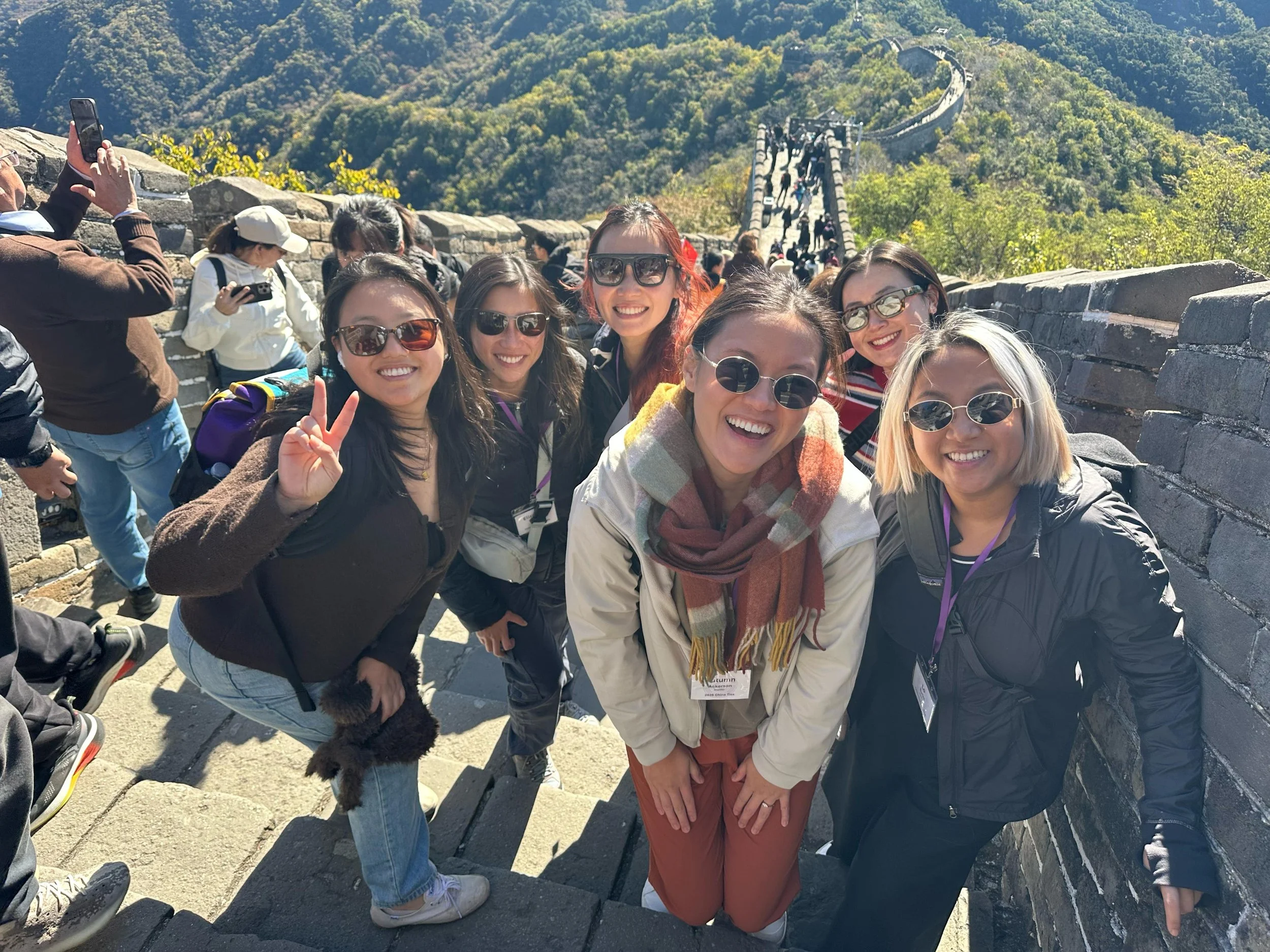
As one organization among many, Ties strives to provide a community for healing and conversations around topics that challenge the simplified narrative that adoption is all good. Our programs offer adoptees a critical opportunity to explore the identity—the connection to their birth/first country, language, family, and ceremonies, smells, tastes, images—that was removed without their consent. It is a journey to experience belonging and to feel affirmed in one’s identity. Of fitting in and not having to question or question as much as you want.
Traveling in community with others on a similar journey builds confidence and offers a deep sense of peace. That is the beauty we promise to continue in 2026.
Appearances
Beyond our travel programs, Ties has made a concerted effort to bring awareness and advocacy to the fore through other avenues.
“Traveling in community with others on a similar journey builds confidence and offers a deep sense of peace. That is the beauty we promise to continue in 2026.”
Podcasts: In the spring, I had the pleasure of sitting down with Simon Benn and discussing adoption and healing on his podcast, Thriving Adoptees. Our conversation centered around how adoption is indeed a part of our adoption story, but it’s not the only ingredient. Healing, at least for me, involves recognizing and understanding the trauma and then addressing the foundations of the trauma. I hope the podcast helps other adoptees find connection and know they have support as we navigate our own journeys of understanding identity and healing. Read our collaborative blog post here.
Conferences and Heritage Camps: We were busy connecting with other adoptee individuals and organizations across the country. Listed below are some of the places we visited:
Adoptive and Foster Family Coalition of New York
Korean American Adoptee Network
BIPOC Adoptee Network Conference
Families Rising National Conference
Korean Heritage Camp
Latin American Heritage Camp
Summer Adoption Research Institute - UMass Amherst
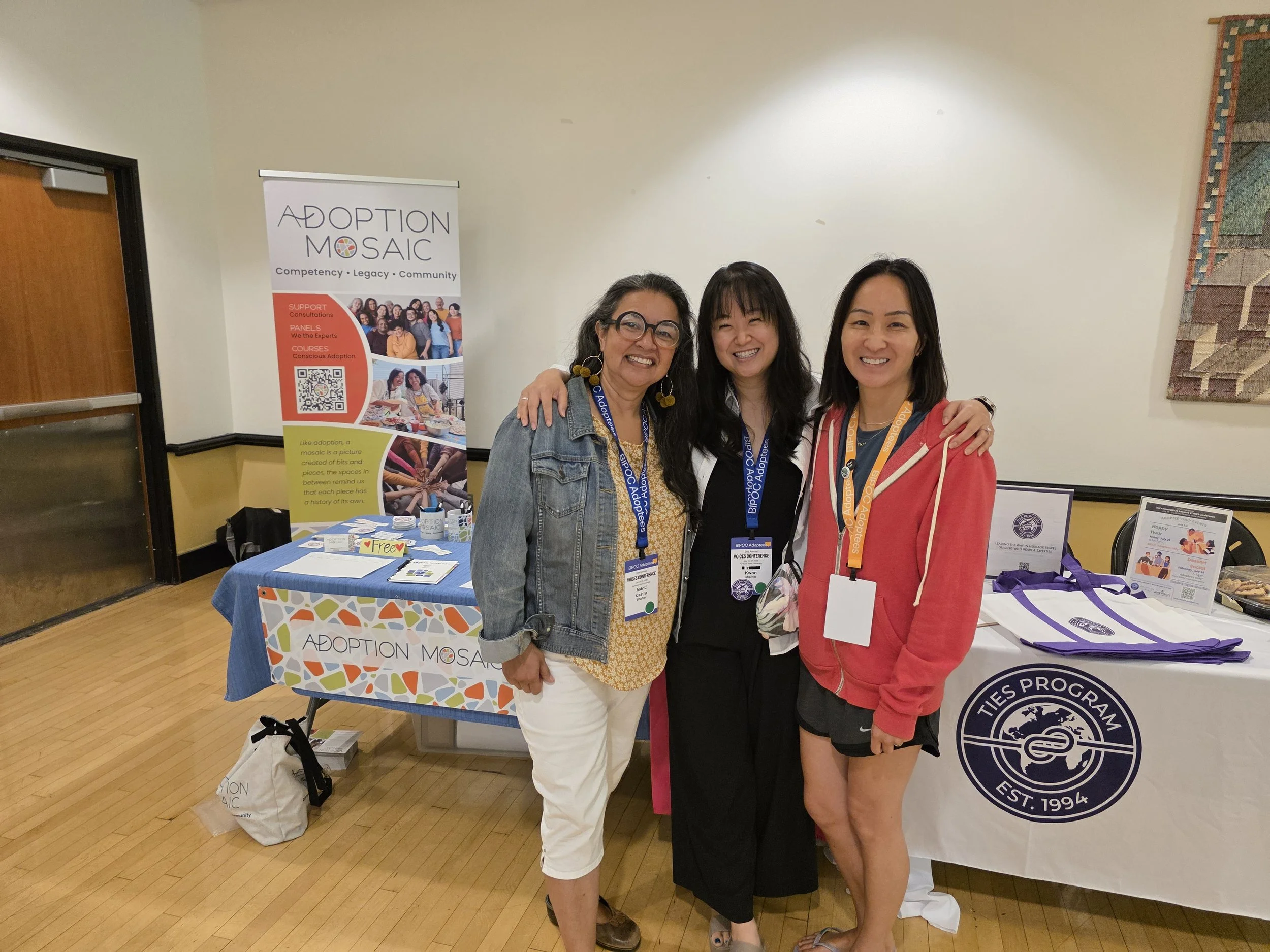
One of our Program Managers, Liz Kwon, represented Ties at the BIPOC Adoptee conference, as we collaborated with AireRoots and Adoption Mosaic, hosting a happy hour and a dessert social for adoptees attending the conference. This collaboration allowed us to provide spaces for the adoptee community to unwind and connect. Two Ties alumni from our India Ties 2024-2025 program also joined us.
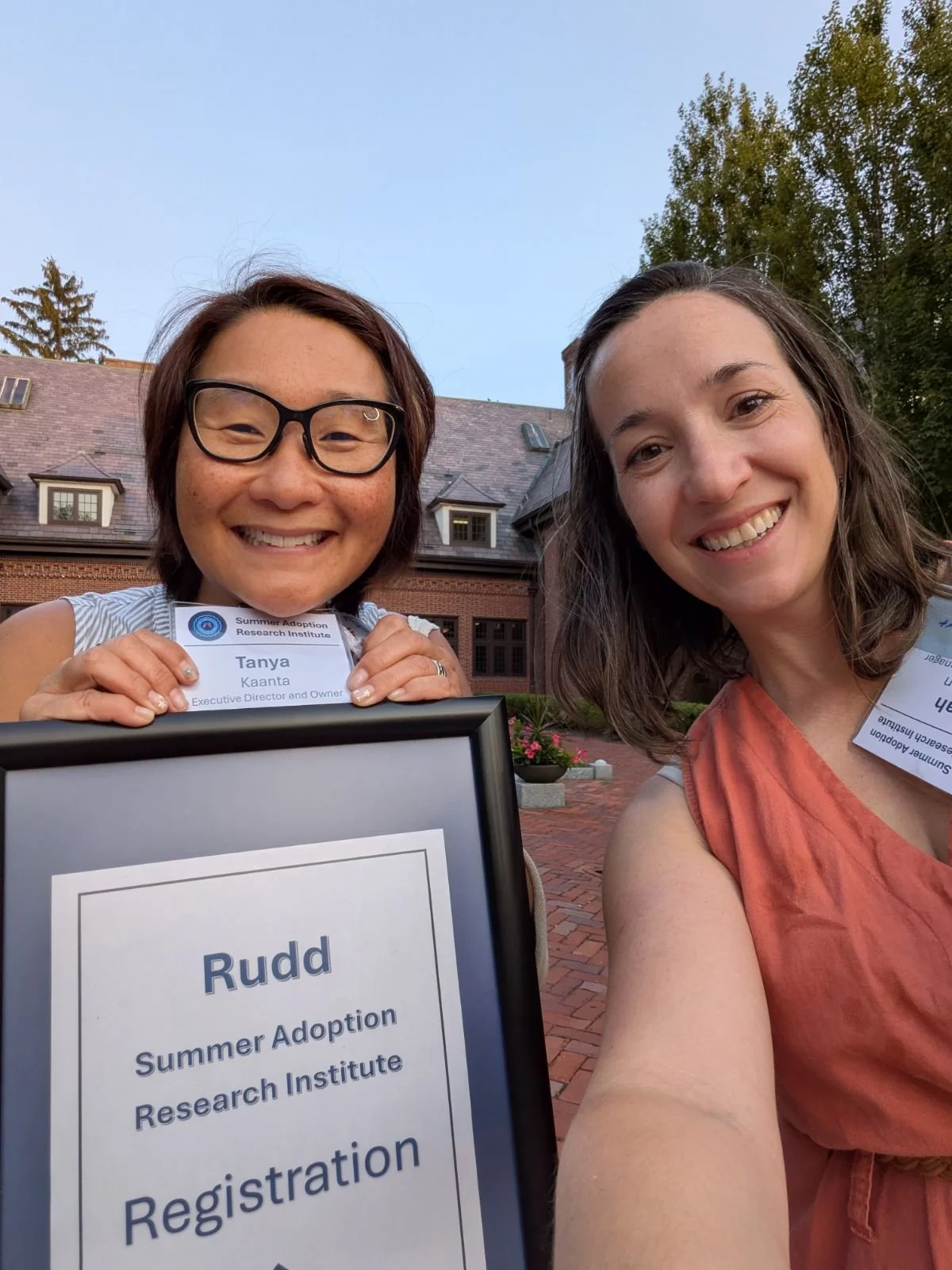
Meanwhile, Sarah Kurtzahn and I attended the Summer Adoption Research Institute of the Rudd Adoption Research Program for the first week in August, learning about the new trends in adoption research, while presenting a poster on adoption identity formation. A non-linear model developed from my doctoral research 17 years ago, which we will be submitting for publication later this year. Read our reflections from the conference here and here.
We welcomed special guest speakers, including:
- Dr. Amanda Baden conducted a 2-part workshop on Parenting 101
- Dr. Sara Docan-Morgan presented on Birth search and reunion
- Cam Lee Small presented a webinar on his experience returning to Korea
Collaboration is a cornerstone of our work at Ties, vital for both educating ourselves and supporting our community. By partnering with adoptee-led organizations, thought leaders, and advocacy groups, we create meaningful avenues to deepen our understanding of adoption, heritage, and identity. These connections allow our community to explore complex questions, gain nuanced perspectives, and build a framework for processing difficult experiences. Perhaps most importantly, collaboration offers the permission and support to sit with the unknown—whether it's uncertainty about identity, unanswered questions about birth families, or navigating the complexities of heritage travel—cultivating a necessary sense of peace, resilience, and shared understanding along the way. We are not alone, and we are stronger together.
Let’s Talk Resources
Looking ahead, I hope to make 2026 a year of awareness and abundance. While travel expenses are a reality, Ties does not currently receive government or institutional funding, which prevents us from fully subsidizing program costs. Moreover, we remain committed to working with vendors in-country that also pay livable wages to their staff. However, we believe 2026 must mark a fundamental change, as we are determined to secure the necessary funding to make these essential journeys more affordable and reduce barriers for adoptees to return to their birth country.
This commitment is driven by the conviction that the moral compass of the adoption industry requires a dramatic realignment because every adoptee deserves the right to return to their birth country without finances being the main barrier. Substantial funding exists to facilitate adoption, yet almost none is available to help an adoptee return to their country of birth. We assert that if an organization profits from the separation of an adoptee from their country of birth, it bears a moral obligation to fund the adoptee’s reconnection. Therefore, we are actively seeking grants and major philanthropic support to directly subsidize an adoptee’s journey back to their birth country.
“The true value of Ties lies in the emotional support and expertise we provide. Recognizing that heritage travel is emotionally intense, our approach ensures comprehensive support at every stage from an adoption-competent team — before, during, and after the program.”
The true value of Ties lies in the emotional support and expertise we provide. Recognizing that heritage travel is emotionally intense, our approach ensures comprehensive support at every stage from an adoption-competent team — before, during, and after the program. This care begins with pre-trip sessions to prepare adoptees and their loved ones, is sustained by on-the-ground, adoption-competent team members who facilitate emotional discussions and guidance throughout the journey, and extends well beyond the trip's end with post-trip care, resources, and options for continual engagement, including monthly chats. This exceptional level of care is a defining feature of a Ties trip, reflecting our belief that every participant deserves to be fully supported. The Ties Program itself embodies the adoption constellation: we are the adoptees, partners, siblings, and loved ones guiding participants with understanding, empathy, and lived experience.
And so, we say goodbye to 2025. We release the fear of travel and the fear of scarcity, and open ourselves to the abundance of 2026—a year for exploration, connection, bonds, and fulfilling the deep human desire for belonging.
We kick off 2026 with a renewed sense of determination, compassion, and sense of renewed hope. Here is a look at what’s ahead:
February: Kolkata, India
March: Korea
Summer Trips: Korea, Guatemala, Kazakhstan, China, and Paraguay
Fall: 21+ for China and Korea (Korea to land just before IKAA).
August: Our first and most likely only Moldova
And so, 2026, I greet you with open arms. I’m ready for a shift in energy. A shift in perspective. From fear and anger to determination and service. For my fellow adoptees. This year is for you. Who will join me?